Myanmar Coffee Flavor Guide: Exploring the Perfect Blend of Regional Characteristics and Sustainable Trade
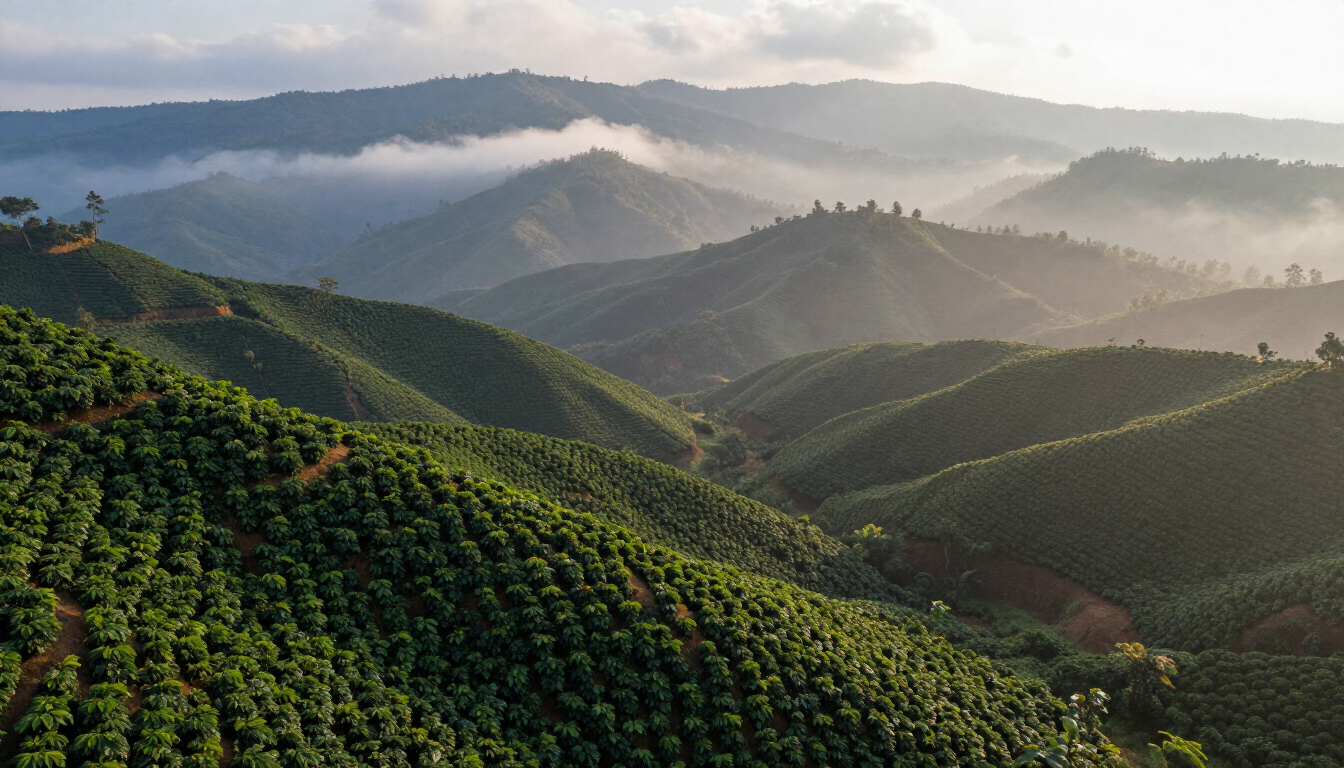
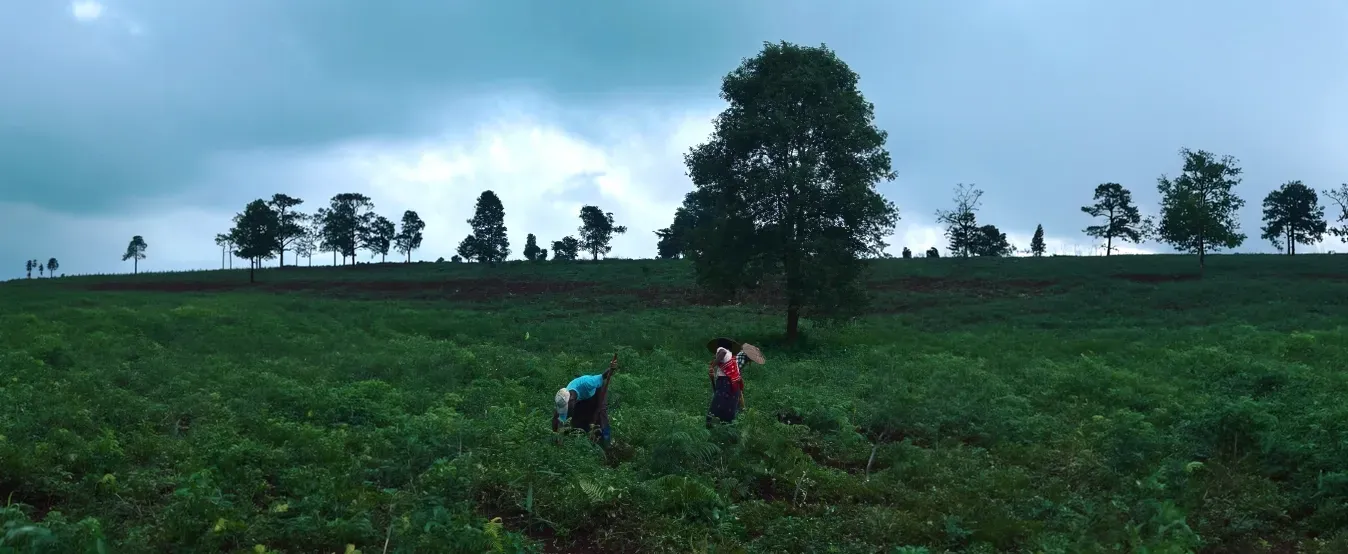
The flavor of Burmese coffee primarily depends on its unique geographical regions, such as Shan State and Chin State. The high altitude (1,000 to 1,800 meters), fertile volcanic soil, and significant temperature differences between day and night in these areas contribute to bright citrus acidity, a sweetness reminiscent of brown sugar, and rich layers of tropical fruit and floral aromas, allowing Burmese specialty coffee to showcase pure and diverse aromatic characteristics in the international market.
The translation of the heading is: "How Does the Geographic Location of Myanmar's Coffee Production Areas Affect Its Final Flavor?"
The flavor of coffee is not accidental; it is a culmination of "terroir." In Myanmar, there is a strong correlation between the geographical environment and the flavor of coffee. When we talk about specialty coffee, factors such as the altitude of the production area, latitude and longitude, rainfall, and soil composition are key variables that determine the flavor of the liquid in the cup.
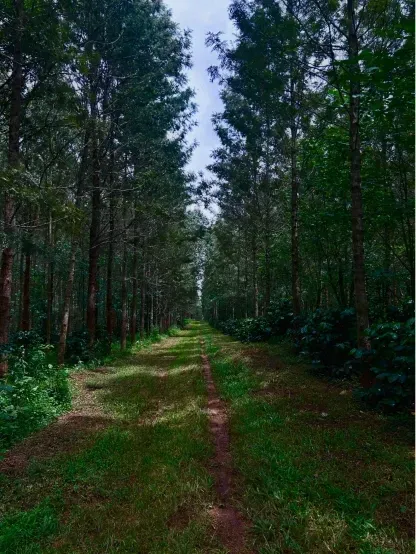
Myanmar is located on the edge of the Golden Triangle in Southeast Asia and has a series of continuous mountain ranges, which provide an excellent growing environment for coffee trees. The high altitude means lower temperatures, which slows down the ripening process of coffee cherries, allowing the seeds (i.e., coffee beans) more time to develop complex sugars and acids. Additionally, Myanmar's rich natural vegetation provides natural shade, reducing the direct harm of ultraviolet rays to the coffee trees, thereby maintaining the density of the beans and the purity of their flavor.
At Nankak Coffee Lodge, we deeply understand the importance of these natural elements. The specialty coffee from Myanmar that we promote is not just an agricultural product, but a reflection of the local ecology and cultural spirit. Through toxin-free organic farming methods, we ensure the sustainability of the land and allow the coffee to showcase its most authentic, unadulterated aroma.
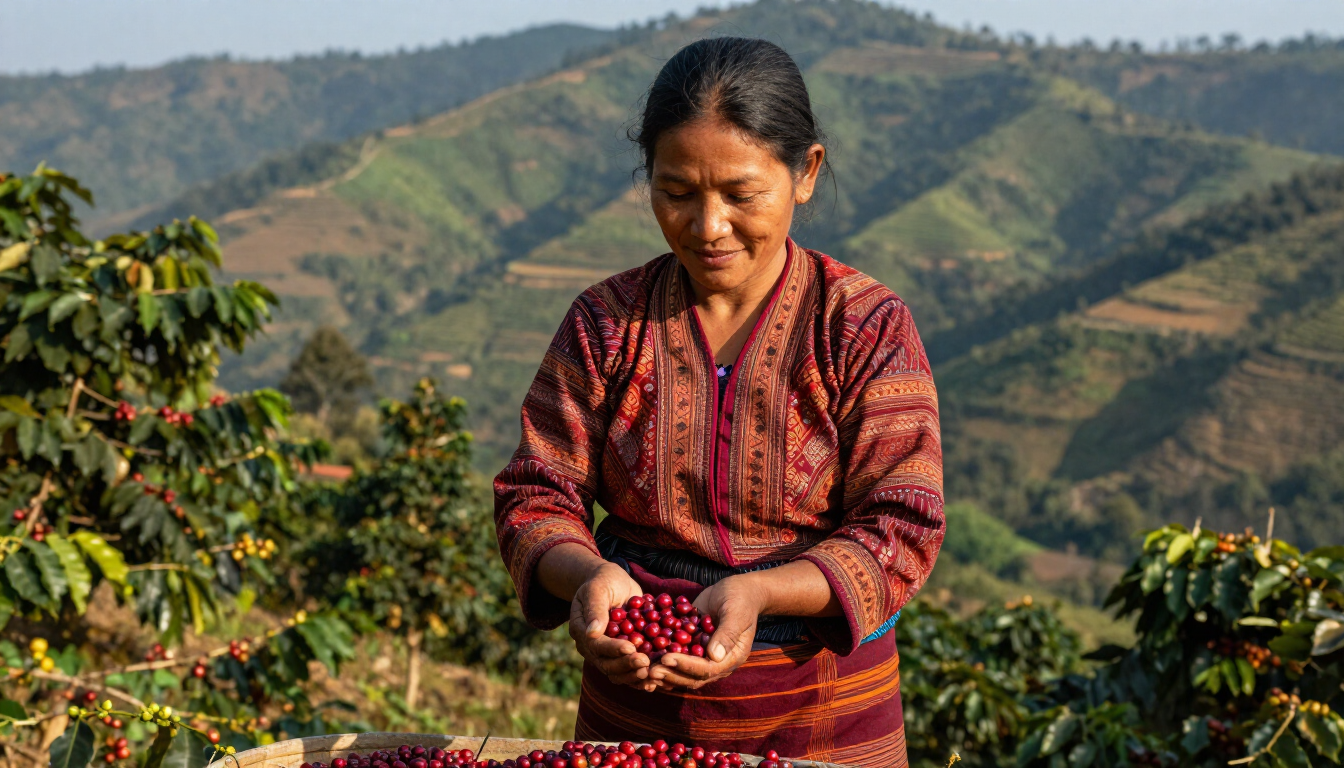
The translation of the heading is: "Dawn: The Core Production Area of Myanmar's Specialty Coffee."
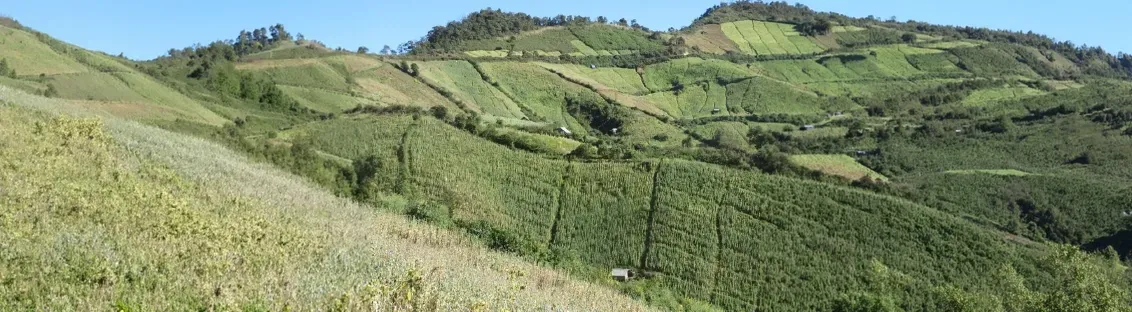
When it comes to Myanmar coffee, one must not miss Shan State, which is the most important specialty coffee region in Myanmar, especially the Ywangan and Hopong areas. The terrain of Shan State is mostly highlands, and the soil is fertile, making it very suitable for the growth of Arabica varieties.
The heading translates to: "Common Flavor Characteristics of Dali Coffee."
- Bright acidity: Typically brings a fresh sensation of lemon, citrus, or green apple.
- Rich sweetness: Strong layers of brown sugar, caramel, or honey sweetness.
- Body: Smooth texture with a silky, oily feel.
- Clean finish: Leaves a light floral or tea aroma after swallowing.
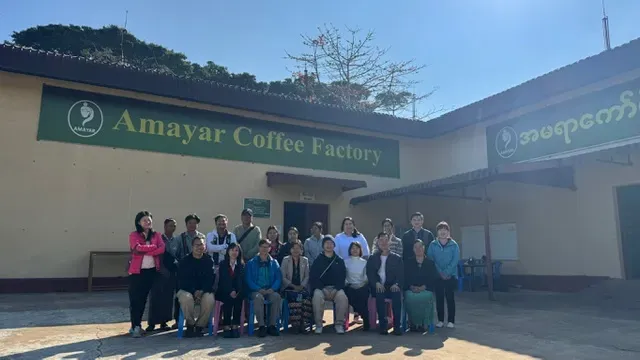
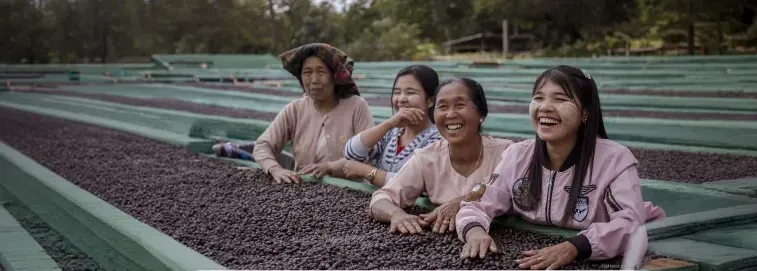
In Shan State, many coffees are grown by small farmers through contract farming. This decentralized growing model, combined with centralized processing plants, ensures that each batch maintains stable quality. Local women play a central role in the selection of green beans, carefully sorting out defective beans to ensure the purity of every sip of Myanmar specialty coffee.
The heading translates to: "What flavor highlights do Qindao and other emerging regions have?"
In addition to the well-known Shan State, Chin State in the western border region has gradually garnered attention in recent years. With a higher elevation and more rugged terrain, the coffee from Chin State presents distinctly different flavor characteristics compared to that of Shan State. Chin State's coffee often has a more pronounced forest aroma, a spiciness, and flavors of dark berries like black currants and blueberries.
The rise of these coffee-producing regions not only enriches the flavor map of global coffee but, more importantly, brings opportunities for local communities. Due to its remote terrain, the development of Chin State is relatively slow; however, the cultivation of specialty coffee provides local youth with job opportunities to stay in their homeland. As mentioned in our "About Us" section, supporting youth to return home and women’s employment is one of our core values. Through global business collaboration, we are dedicated to exporting high-quality coffee beans from these remote regions to the world, making sustainable development in the local area possible.
The heading translates to: "How do altitude and climate shape the acidity and sweetness of coffee?"
Altitude is one of the most direct factors affecting the quality of specialty coffee. Generally speaking, the higher the altitude, the thinner the air and the lower the temperature. In this environment, the respiration of coffee trees slows down, allowing organic substances produced through photosynthesis (such as polyphenols and sugars) to accumulate more effectively in the coffee beans. This is why high-altitude coffee from Myanmar typically has greater complexity and more refined acidity.
Climate change is equally crucial. Myanmar has distinct dry and wet seasons, which are vital for coffee harvesting and processing. The ample sunlight during the dry season is beneficial for sun-drying coffee beans, giving the coffee a richer fermented fruit aroma; while a stable water supply allows for washed processing methods that produce clean-flavored coffee beans with bright acidity.
The heading translates to: "How does Lianaka Coffee Travel improve coffee quality through sustainable trade?"
We believe that high-quality coffee comes from healthy land and respected producers. To bring the pure aroma from Myanmar to the world, we have implemented several measures:
- Here’s the translation of your text to English:
- **Nontoxic Organic Farming:** Guiding farmers to reduce pesticide use, protect the ecology of production areas, and ensure the safety and purity of coffee beans.
- **Sustainable Trade Model:** Purchasing at prices higher than the market average, directly benefiting the frontline producers.
- **Supporting Women and Youth:** Providing professional training to help women in producing regions master advanced processing techniques and encouraging youth to engage in the coffee industry.
- **Transparent Supply Chain:** Recording every step of the coffee journey from the farm to the cup to ensure flavor traceability.
This approach of deeply cultivating the origin not only enhances the cupping scores of the coffee but also allows each cup of coffee to carry the positive power of changing the production area. This is also why, when you taste our coffee, you can feel that richness and warmth that transcends mere flavor.
The heading translates to: "Key Factors to Consider When Choosing Burmese Coffee."
If you are trying Burmese coffee for the first time, it is recommended to start with the origin and processing method. The sun-dried beans from Shan State typically have a rich red wine character and tropical fruit aroma, making them very suitable for those who enjoy complex flavors; while the washed beans attract enthusiasts seeking a refreshing taste with their pure citrus flavors. In our blog, we often share tasting notes from different batches to help you find the bean that suits you best.
In summary, the charm of Myanmar coffee lies in its unrefined purity and unique terroir that have not been overly developed. By understanding the characteristics of the growing regions, you can not only savor the coffee in your hand more deeply, but also appreciate the commitment behind each coffee bean to protect their hometown and promote sustainability.
The heading translates to "Summary of Features of Myanmar Coffee Producing Regions."
- Core Production Areas: Shan State (bright citrus, high sweetness) and Kachin State (forest notes, spicy aroma).
- Geographical Advantage: High altitude above 1,000 meters, slow maturation in low temperatures, resulting in firm beans.
- Flavor Key: Non-toxic organic farming maintains pure aromas, refined processing methods showcase diverse layers.
- Social Significance: Supports local women and youth through sustainable trade, promoting stable development in the production areas.
- Future Outlook: Burmese specialty coffee is becoming the new darling of the global specialty coffee scene due to its high quality and unique terroir.
Whether you are a business partner seeking collaboration or an individual coffee enthusiast, we sincerely invite you to explore the limitless possibilities of Myanmar coffee together. Let us connect the stories from the origin through this aromatic cup of coffee and support a sustainable future.
Recent Posts